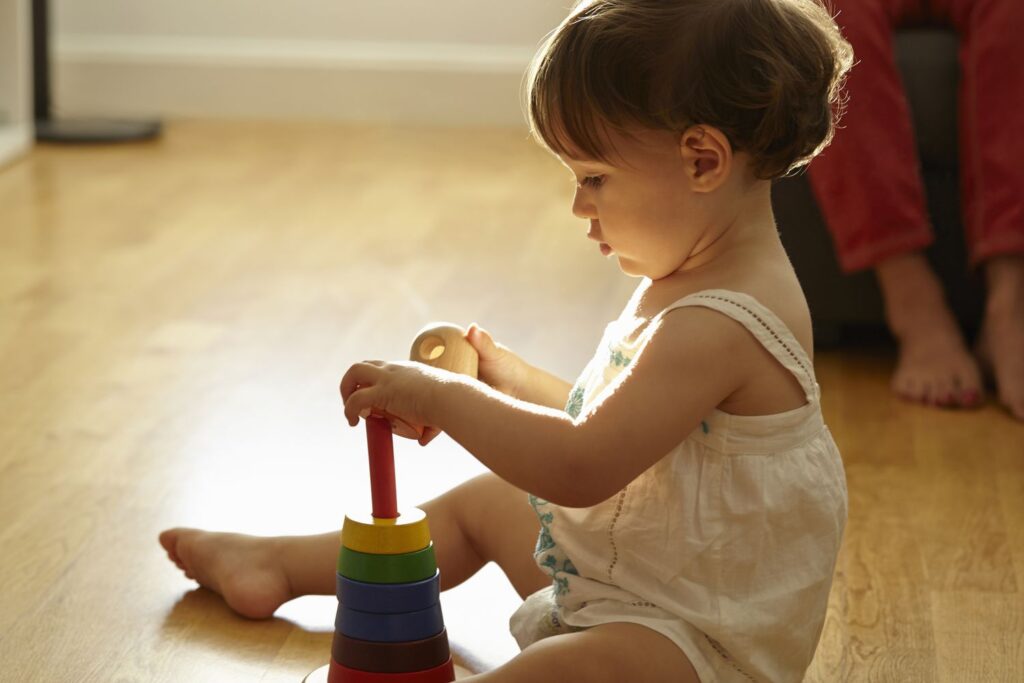
The first year of your baby’s life is often described as a whirlwind. Between the sleepless nights, the endless diaper changes, and the sheer wonder of watching a tiny human personality emerge, it can feel like a blur. One moment you are bringing home a delicate newborn, and seemingly the next, they are trying to crawl across the living room floor.
Throughout this period, you will hear a lot about “milestones.” From your pediatrician to well-meaning relatives, everyone seems focused on what your baby should be doing and when. It is natural to feel a mix of excitement and anxiety about these developmental markers. However, it is important to remember that milestones are not a race. They are simply guideposts—broad ranges of typical development that help us understand how a baby is growing.
In this guide, we will break down the early milestones simply, focusing on what to watch for and, more importantly, how to support your baby as they discover the world around them.
The Foundation: Newborn Basics (0–3 Months)
The first three months are all about adaptation. Your baby is adjusting to life outside the womb, and you are adjusting to life with a baby. During this phase, milestones are less about “doing” and more about reflexes and sensory development.
Most newborns begin to focus on faces, follow moving objects with their eyes, and start to make tiny cooing sounds. Physically, you will notice their movements becoming less jerky. By the end of the third month, many babies can lift their head and chest while lying on their tummy—this is why tummy time is so crucial during these early days.
At this stage, your role is to provide a safe, nurturing environment. Whether you are navigating the nuances of feeding bottles or simply learning how to soothe your little one, remember that your physical presence and gentle voice are the most important tools you have.
Moving and Grooving (4–6 Months)
Around four months, things start to get exciting. Your baby is becoming more socially interactive and physically capable. You might see the first intentional smiles, which are a major reward for every exhausted parent.
Physically, your baby may begin to roll over—often from tummy to back first, then back to tummy. This is a big deal! It means their core muscles are strengthening. You might also notice them reaching for toys or bringing objects to their mouth, which is how they explore textures and shapes.
During this time, sleep patterns often shift. While many parents find themselves searching for the perfect sleep routines to get a little more rest, keep in mind that sleep habits evolve as quickly as your baby’s motor skills. Consistency is your best friend here, but flexibility is your safety net.
The Explorer Phase (7–9 Months)
Once your baby hits the 7-to-9-month window, the world gets a lot smaller—or, rather, they get a lot better at navigating it. Sitting up without support is the hallmark milestone of this phase. Once a baby can sit, their hands are free to manipulate toys, bang things together, and play.
You will also notice the beginning of “object permanence”—the understanding that things (and people) still exist even when they aren’t visible. This is why peek-a-boo becomes the best game ever invented. It’s also when you might notice your baby becoming more aware of strangers, which is a healthy sign of their emotional development.
As they start moving—perhaps scooting, rolling, or even attempting to crawl—diapering and hygiene become a logistical challenge. It is the perfect time to ensure your home is prepared for a mobile baby, keeping a close eye on safety basics as their curiosity begins to outpace their coordination.
Reaching for the First Birthday (10–12 Months)
The final stretch toward the first birthday is a period of incredible intellectual and physical growth. By 12 months, many babies are pulling themselves up to stand, cruising along furniture, and some might even be taking their first independent steps.
Communication also takes a leap. Your baby might start waving “bye-bye,” pointing at things they want, or babbling with “mama” and “dada” becoming more purposeful. They are beginning to understand simple commands and are deeply observant of your reactions.
If you are living in a smaller space, you may find that urban baby living requires a bit more creativity regarding floor space and baby-proofing. It is an exciting time, but it can also be tiring. Don’t hesitate to lean on your support network or check our FAQ section if you are feeling unsure about what is “normal.”
Why Milestones Aren’t a Checkbox
It is easy to get caught up in comparing your baby to the neighbor’s child or the latest social media post. However, child development is highly individualized. According to the Centers for Disease Control and Prevention (CDC), developmental milestones represent what most children (75% or more) can do by a certain age.
If your baby misses a milestone by a week or even a month, it rarely indicates a problem. Babies often focus on one area of development at a time. A baby who is busy learning to pull themselves up might not be babbling as much as their peers, and that is perfectly okay.
However, if you ever feel concerned that your child is significantly behind, or if you notice a loss of skills they previously possessed, it is always best to consult your pediatrician. They are your best resource for monitoring growth and development.
How You Can Support Growth
You don’t need expensive toys or specialized classes to help your baby reach these milestones. The best stimulation is simple interaction.
- Talk and Read: Even if they don’t understand the words, your voice builds language skills. Narrate your day: “Now we are changing your diaper,” or “Look at that blue bird.”
- Play on the Floor: Giving your baby freedom to move in a safe, open space is better for their motor development than keeping them in swings or bouncers for long periods.
- Encourage Curiosity: Let them touch safe textures, reach for toys, and make a mess. Exploration is how they learn about cause and effect.
- Prioritize Routine: While milestones are unpredictable, a consistent routine helps your baby feel secure, which is the foundation of all healthy development.
For more in-depth guidance on navigating these stages, you can always explore our complete library of first year milestones.
Final Thoughts
The first year is a marathon, not a sprint. Your baby will grow, change, and surprise you in ways you couldn’t have imagined. By focusing on your connection with them rather than the exact timing of their next accomplishment, you create the most supportive environment possible.
Whether you are looking for tips on baby gear essentials or just looking for reassurance, remember that you know your baby best. Trust your instincts, enjoy these precious fleeting moments, and reach out to your community or support network whenever you need a helping hand.
The milestones will come in their own time—but the memories you are building right now are the ones that will last a lifetime.