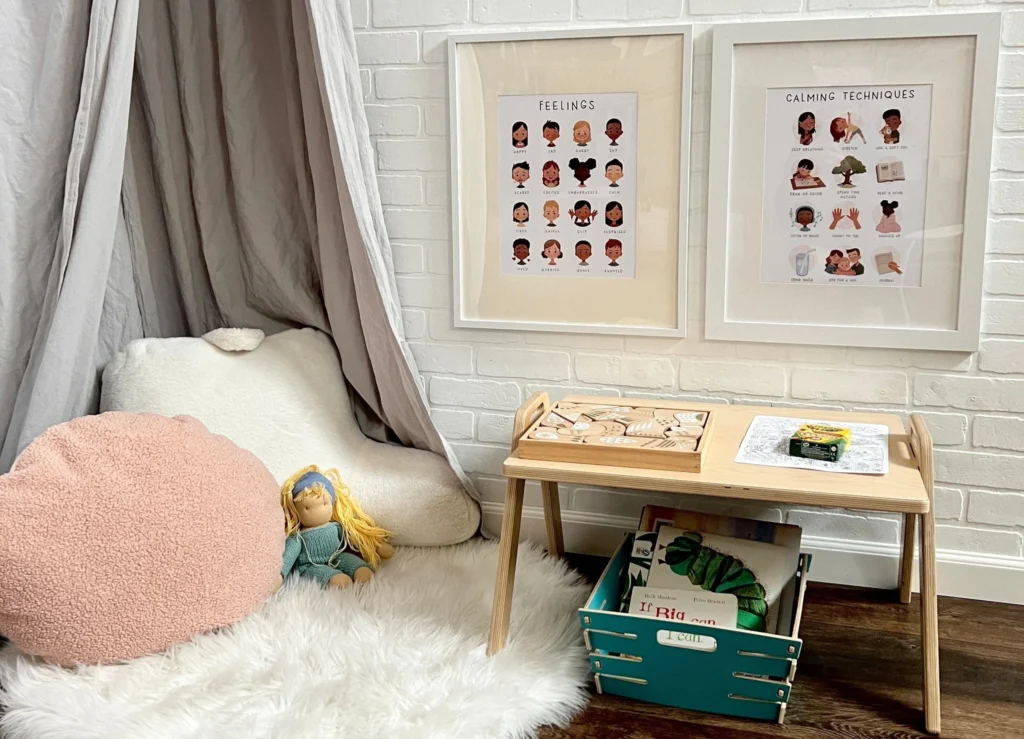
For parents living in the heart of a bustling city, space is often the most precious commodity. When you’re navigating a one-bedroom in Brooklyn or a cozy studio in Jersey City, the idea of a sprawling, Pinterest-perfect nursery feels like a distant dream. However, the secret to a well-rested baby isn’t found in square footage; it’s found in the intentionality of the environment you create.
In the world of urban baby living, we embrace the “sleep corner”—a dedicated, sensory-managed micro-space that signals to your baby that it is time to shift from the chaos of the city to the calm of restorative rest. Building this sanctuary requires a blend of smart baby gear essentials and an understanding of infant biology. Here is how to carve out a peaceful haven for your little one, even when space is at a minimum.
The Psychology of the “Sleep Zone”
A newborn’s brain is highly sensitive to environmental cues. Because their first year milestones include the massive task of developing a circadian rhythm, they rely on us to define their “rest” and “active” spaces. In a small apartment where the living room, kitchen, and nursery often bleed into one another, creating a distinct visual and auditory boundary is essential.
When a baby enters their sleep corner, their nervous system should begin to downshift. This transition is a key component of successful sleep routines. By consistently using the same corner for rest, you are building a powerful psychological association: “In this spot, the world is quiet, and I am safe.”
Lighting: The Primary Sleep Signal
In a compact apartment, you often can’t control the overhead lighting in the entire home without sitting in the dark yourself. To fix this, focus on localized lighting within the sleep corner.
- Block the Blue: Avoid cool-toned LED lights. Instead, use a small, amber-toned lamp or a dimmable nightlight near the crib. Amber light does not interfere with the production of melatonin, the hormone responsible for sleep.
- Blackout Solutions: City streetlights never truly turn off. If your sleep corner is near a window, high-quality blackout shades are non-negotiable. For renters, temporary suction-cup blackout covers can be a lifesaver.
- Visual Dividers: If the sleep corner is in your main living space, consider a breathable mesh room divider or a folding screen. This prevents the “visual noise” of your evening activities—like the flickering TV or kitchen lights—from stimulating the baby.
Sound: Building an Acoustic Shield
Living in a high-density building means being at the mercy of your neighbors’ footsteps, the elevator’s hum, and the sirens on the street. For a baby, these sudden “spikes” in volume trigger the Moro (startle) reflex, snapping them out of deep sleep.
To combat this, your sleep corner needs an acoustic shield. A high-quality white noise machine should be placed between the crib and the primary source of noise (usually the door or the window). Unlike music, which can keep a baby’s brain engaged, white or pink noise provides a constant, “flat” soundscape that masks unpredictable city sounds. This is a foundational element of newborn basics for city dwellers.
Strategic Gear for Small Spaces
When space is limited, every piece of equipment must earn its keep. You don’t need a full-sized crib to provide a safe sleep environment.
- Mini-Cribs and Bassinets: Many urban parents opt for mini-cribs, which offer the same safety standards as full-sized versions but with a much smaller footprint. Some even come with wheels, allowing you to move the “sleep corner” if you need to host a dinner or clear the floor.
- Vertical Storage: Use the walls! Floating shelves above the changing area (if it’s part of your sleep corner) can hold diapering & hygiene supplies, keeping the floor clear of bulky dressers.
- Breathable Fabrics: Ensure the sleep corner is well-ventilated. Use 100% cotton or bamboo sheets to help regulate the baby’s temperature, especially in older buildings where steam heat can be unpredictable.
For a curated list of items that fit perfectly into apartment life, check out our guide on baby gear essentials.
Maintaining Safety in Close Quarters
In a small apartment, the temptation to “nest” can lead to overcrowding the sleep area. However, safety 101 dictates that a baby’s sleep space must remain “boring.”
- The Bare Crib: No pillows, blankets, or stuffed animals. In a small corner, it’s even more important to ensure that cords from monitors or lamps are tucked safely away and are at least three feet from the crib.
- Air Quality: Small spaces can trap dust and allergens more easily. Consider a small HEPA air purifier to keep the air in the sleep corner fresh.
- Temperature Checks: Avoid placing the crib directly against a radiator or under a drafty AC unit.
The Routine: Bridging the Gap
A beautiful sleep corner is only half the battle; the other half is how you lead your baby into it. Because city life is fast-paced, your wind-down routine should be the one thing that never changes.
Before placing your baby in their corner, engage in a low-sensory ritual. This might include a warm bath, a gentle massage using diapering & hygiene products, and a final feeding. According to the American Academy of Pediatrics, a consistent bedtime routine is one of the most effective ways to prevent sleep issues later in the first year.
When the “Corner” Isn’t Enough
Sometimes, despite your best efforts, the apartment feels too loud or the baby is particularly restless. During these times, it helps to remember that the sleep corner is a tool, not a cage. If the building is undergoing construction or the neighbor is particularly noisy, don’t be afraid to pivot. Using a carrier for a nap while you walk through a quiet park is a perfectly valid part of urban baby living.
If you are struggling with a specific space challenge—like a studio apartment layout or a shared bedroom—our faq page has practical solutions from parents who have been there. You can also explore our blog for deeper dives into sensory management for city infants.
Conclusion
Creating a calming sleep corner is about more than just aesthetics; it is about providing your baby with the psychological safety they need to grow. By managing light, sound, and safety, you turn a small patch of your apartment into a sanctuary of rest. You are proving that you don’t need a palace to give your baby a gentle start.
If you need help selecting the right furniture for your specific layout or want to discuss how to manage sleep in a shared room, please contact us. We specialize in helping urban families thrive in the spaces they call home.